organic-compatible scalable supplies assay tested biotechnology
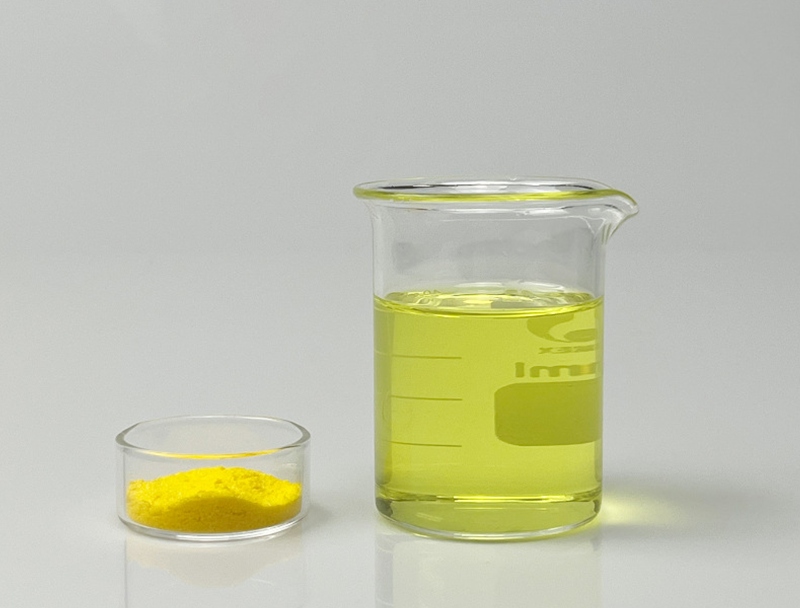
Biomanufacturing relies heavily on a broad palette of raw materials to produce innovative bio-based products.
Guaranteeing sustainably sourced materials is indispensable to sustainable success and conscientious scaling.
multiple challenges associated with traditional raw material procurement such as soil erosion and unchecked resource extraction. Accordingly, companies are required to implement regenerative sourcing methods to mitigate footprints.
- Models of sustainable material sourcing include:
- Integrating compostable agricultural waste into supply chains
- Implementing closed-loop systems to minimize waste and maximize resource efficiency
- Building relationships with nearby vendors dedicated to moral sourcing
Adopting sustainable feedstock strategies yields environmental wins alongside fiscal sustainability.
Refining Biomass Sources to Enhance Fuel Conversion
Boosting conversion rates requires high-quality and well-characterized biomass. Researchers repeatedly investigate innovative methods to enhance feedstock potential, facilitating elevated yields and a renewable energy transition. Methods encompass cellular engineering to augment biomass output and refining processes to liberate fermentable carbohydrates.
- Concurrently, efforts examine seaweed, industrial byproducts, and crop residues to increase the variety of renewable feedstock alternatives for fuel production.
- By means of ongoing innovation the biofuel sector can achieve substantial advances soon, shaping a cleaner energy future.

Upstream Process Improvements for Modern Biopharma Production
represents the initial stages of biopharmaceutical manufacturing, encompassing all steps from cell culture and cell harvesting Modern progress within the sector has contributed to more efficient processes and higher production.
Significant developments incorporate advanced biological platforms, tailored medium blends, and precision reactor engineering. These strategies improve manufacturing efficiency and lessen cost and ecological effects.
- Moreover, continuous manufacturing adoption is enabling dynamic control and greater adaptability in upstream workflows.
- The adoption of higher-tech manufacturing practices will likely disrupt traditional models and speed therapeutic launches.

Gene Editing Breakthroughs That Elevate Biopharma Output
innovations in genome-editing toolsets have enhanced biopharmaceutical manufacturing. Through controlled genetic modifications, practitioners increase therapeutic protein production. These methods could enable production of accessible and efficient medicines tackling diverse health challenges.
Microbial Biotechnology as a Sustainable Cleanup Strategy
cutting-edge microbial approaches that remediate contamination sustainably. Selected microbial cultures can remediate contaminants through biodegradation pathways.. By harnessing this natural potential, we can develop environmentally friendly strategies for cleaning up contaminated sites and mitigating the negative impacts of industrial activities.. Research teams analyze microbial diversity to find candidates that metabolize heavy metals, break down pesticides, and treat oil-contaminated matrices.. Organisms may be utilized in controlled reactors or in place to accelerate contaminant decomposition through biodegradation..
Microbial-based approaches to remediation bring considerable advantages over traditional solutions. It is a cost-effective and environmentally friendly approach that minimizes the generation of harmful byproducts. Also, microbial interventions offer targeted remediation that minimizes collateral ecosystem disturbance. Advancements continue apace to increase the speed, efficiency, and applicability of microbial remediation techniques.
Computational Biology in Drug Discovery
Bioinformatics techniques are integral to present-day therapeutic development workflows. From target discovery through candidate optimization, bioinformatics facilitates streamlined, hypothesis-guided workflows.
- With analysis of broad omics and clinical datasets, bioinformatic experts identify targets and model drug effects.
- Moreover, bioinformatics contributes to drug design by simulating the interactions between drugs and their targets, ultimately leading to the development of more effective drugs.
- Finally, bioinformatics is revolutionizing the drug discovery and development process, accelerating the time to bring safe and effective treatments to patients in need.
Cell Factory Optimization for Higher Bioproduct Output
integrates multiple methods to augment cellular production of target bioproducts. Approaches may include genome edits to rewire pathways, transcriptional control to tune expression, and heterologous gene insertion to add functions.. By optimizing cellular networks, developers can substantially boost target bioproduct output.
This combined approach has capacity to change industries from drug manufacture to food production and bioenergy.
Scaling Biopharma Production: Hurdles and Advantages
Upscaling therapeutic manufacturing brings major obstacles along with promising prospects. Sustaining uniform quality across expanded production capacity is a principal challenge. Meeting the need calls for dependable control systems, granular monitoring, and cutting-edge analytical methods.
A further difficulty lies in process complexity, with many interdependent production phases.. Reengineering workflows for mass production involves rigorous R&D and inventive technology deployment.. However, the prospective rewards are sizable. Efficient scale-up can amplify access to medicines, compress costs, and strengthen returns.
Multiple programs focus on resolving scale-up difficulties. Programs comprise advanced optimization systems, real-time process monitoring tools, and innovative production strategies.
- R&D initiatives significantly drive enhancements in manufacturing capacity.
- Regulatory bodies are modernizing pathways to accelerate approval of advanced production technologies and support innovation.
Navigating the Regulatory Landscape for Biopharmaceuticals: Ensuring Safety and Efficacy
Producing biopharmaceuticals demands comprehensive oversight to guarantee safety and clinical effectiveness. Therapies derived from biological organisms carry special considerations not typical of conventional pharmaceuticals.
Organizations like the FDA and EMA provide essential guidance and set standards for authorizing novel biotherapeutics..
Meticulous validation protocols are enforced from preclinical validation to long-term post-market evaluation.. The protocols serve to uncover safety concerns and certify that products fulfill rigorous protection standards..
In addition, regulatory entities adapt L-Carnosine their frameworks to stay current with rapid research and technological developments.. Efforts comprise integrating cutting-edge tools and easing development pathways while upholding patient safety.

Harnessing Plant Feedstocks to Create Biodegradable Plastics
The rising demand for eco-friendly materials fuels R&D on bio-based alternatives. Plant-based bioplastics made from biomass feedstocks present a hopeful path to reduced plastic impact. Materials such as starch from corn, cellulose pulp, and sugarcane biomass are convertible into biodegradable polymers that lower plastic waste concerns.
Likewise, some plant-derived plastics perform similarly to petroleum-based materials for a variety of uses.. Continued research and innovation in this field are crucial to unlocking the full potential of plant-based biomass feedstocks in the manufacture of sustainable bioplastics, paving the way for a circular economy.
Biotech Innovations Addressing Health and Food Challenges
Biotechnology offers potent solutions for advancing public health and enhancing food security. Using genome engineering, synthetic biology techniques, and cell-based treatments, innovators devise ways to tackle pathogens, amplify yields, and improve nutrition.. One example is bioengineered crops that withstand pests and stressors, enabling higher yields with less pesticide input.. Moreover, biotechnology plays a crucial role in developing vaccines, antibiotics, and diagnostic tools that are essential for combating infectious diseases and improving global health outcomes.. Continued scientific progress suggests biotechnology will increasingly underpin healthier, more sustainable societies worldwide.
 Calcium 2-oxoglutarate